


Climate change conversations often revolve around industries, vehicles, deforestation, and fossil fuels. But one surprising contributor is often overlooked — sewage.
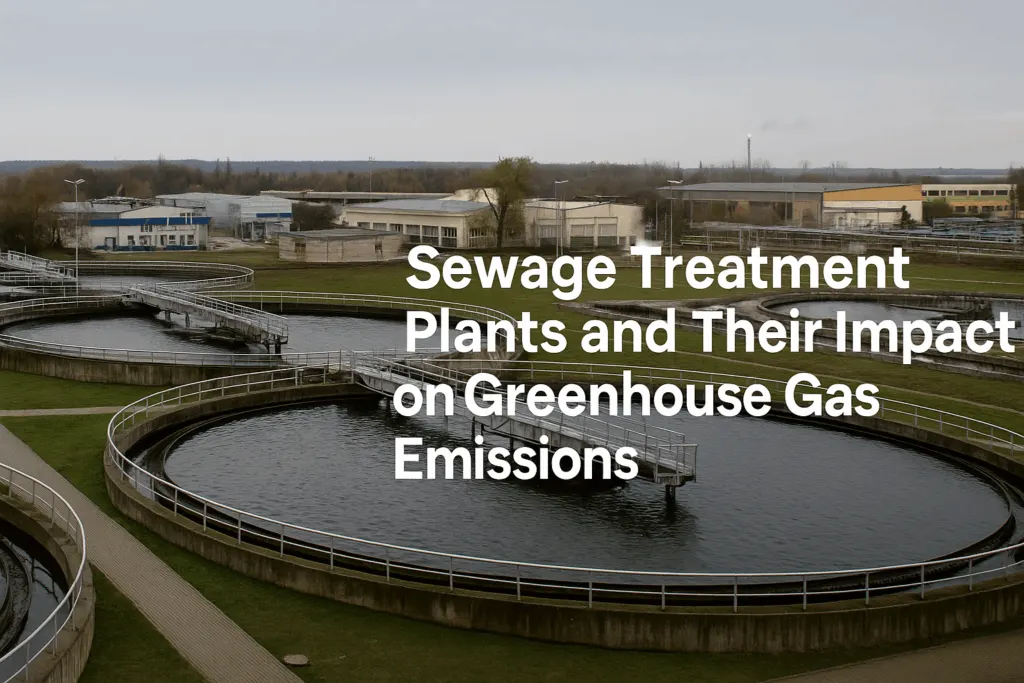
Yes, the way cities and industries manage wastewater can significantly affect greenhouse gas (GHG) emissions, especially methane (CH₄), nitrous oxide (N₂O), and carbon dioxide (CO₂). As urban populations grow rapidly, the role of Sewage Treatment Plants (STPs) in climate mitigation becomes more important than ever.
In this blog, let’s break down how sewage contributes to emissions, how STPs help reduce them, and what modern technology is doing to make wastewater treatment greener and more energy-efficient.
How Untreated Sewage Contributes to Greenhouse Gas Emissions
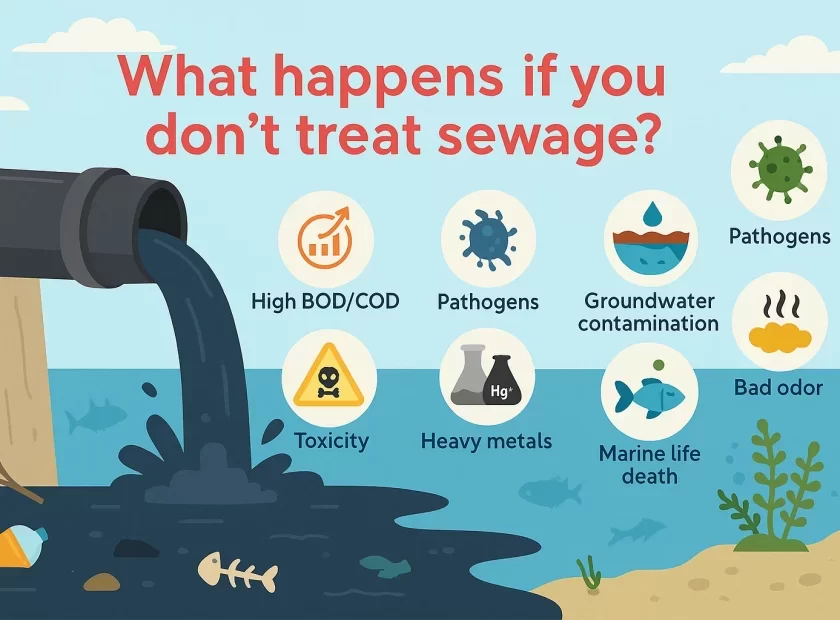
If sewage is left untreated — or poorly treated — the environmental impact is massive:
- Methane (CH₄) Emissions Increase
Untreated sewage decomposes anaerobically, producing methane, one of the most potent greenhouse gases, with nearly 80 times the warming potential of CO₂ over 20 years.
- Nitrous Oxide (N₂O) Formation
Improper nitrogen removal in wastewater leads to N₂O emissions, which have 300 times the global warming impact of CO₂.
- Degradation of Water Bodies
When sewage enters rivers, lakes, or wetlands, it accelerates organic decay and eutrophication — generating even more methane and CO₂.
So untreated wastewater doesn’t just pollute — it significantly contributes to climate change.
How STPs Help Reduce Greenhouse Gas Emissions
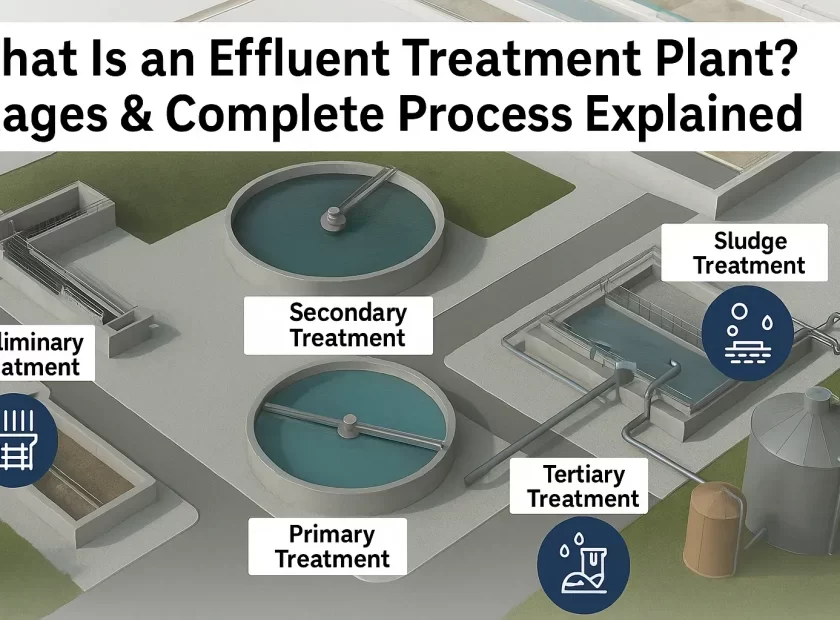
Modern Sewage Treatment Plants play a major role in climate-friendly wastewater management. Here’s how:
- Controlled Biological Treatment Reduces Methane Formation
In STPs, biological processes such as MBBR, MBR, and SBR occur in controlled environments.
This ensures:
- Less uncontrolled anaerobic decomposition
- Lower methane emissions
- Efficient conversion of organics into stable biomass
Technologies like MBBR and MBR produce significantly fewer GHGs compared to traditional septic tanks and outdated aeration systems.
- Enhanced Nitrogen Removal Reduces N₂O Emissions
Advanced treatment steps like:
- Nitrification–denitrification
- Biological nutrient removal (BNR)
- Anoxic/anaerobic processes
help minimize nitrous oxide (N₂O), which is a critical part of reducing overall climate impact.
- Energy-Efficient Systems Reduce CO₂ Footprint
Modern STPs include:
- High-efficiency blowers
- VFD-controlled motors
- Low-energy membrane systems
- Solar-powered integration
- Smart automation
When energy consumption drops, CO₂ emissions from electricity usage reduce as well.
- Sludge Management Minimizes Emissions
Proper sludge processing — such as dewatering, composting, and anaerobic digestion — prevents methane leaks and uncontrolled decomposition.
Some advanced STPs even convert sludge into biogas, which can replace fossil fuels on-site.
- Treated Water Reuse Reduces Environmental Burden
Reusing treated water for:
- Flushing
- Cooling towers
- Landscaping
- Construction
reduces stress on freshwater sources and cuts emissions associated with pumping, transporting, and treating raw water at large municipal facilities.
Which STP Technologies Offer the Lowest Greenhouse Gas Emissions?
MBBR (Moving Bed Biofilm Reactor)
Efficient aeration and attached growth reduce GHG formation and energy needs.
MBR (Membrane Bioreactor)
Ultra-clean output with compact footprint and controlled biological reactions.
SBR (Sequencing Batch Reactor)
Time-based cycles improve nitrogen removal and lower N₂O emissions.
Hybrid Systems
Customized for space savings, energy efficiency, and improved nutrient removal.
Modern STPs designed with the right technology can reduce emissions by 30–50% compared to outdated conventional systems.
How STP Design Can Further Reduce GHG Emissions
A climate-friendly STP must focus on:
✔ Optimized aeration
✔ Real-time DO & nutrient control
✔ Automated operation
✔ Low-energy mechanical equipment
✔ Sludge stabilization
✔ Prevention of anaerobic pockets
✔ Use of renewable energy (solar panels)
A well-engineered plant reduces both direct emissions (biological gases) and indirect emissions (electricity-related CO₂).
The Bottom Line: STPs Are Essential for a Climate-Safe Future
Sewage Treatment Plants do much more than protect rivers and public health — they play a critical role in reducing greenhouse gas emissions. As India moves toward sustainability, modernizing wastewater infrastructure is no longer optional. It’s an environmental responsibility.
Upgrading outdated plants to MBBR, MBR, or hybrid technologies can drastically reduce emissions while improving treated water quality.
Need Guidance on Setting Up a Climate-Friendly STP?
If you want to design a new STP or upgrade an existing one to meet environmental and climate standards — Venza can help.
Our engineering experts deliver energy-efficient, low-emission, CPCB-compliant wastewater treatment solutions for buildings, industries, and institutions.
For any assistance or related queries:
📞 Call: +91-9999724878
📧 Email: enquiry@venzawater.com
We’ll help you build a cleaner, greener, and more sustainable wastewater system