


The Central Pollution Control Board (CPCB) has recently updated the effluent discharge standards for industries across India, marking one of the most significant environmental regulatory shifts in recent years. These revised norms aim to strengthen pollution control, ensure cleaner water bodies, and promote sustainable industrial growth.
For industries that generate wastewater—whether manufacturing, food processing, pharma, textile, chemical, automobile, or metal-based units—understanding the new CPCB effluent standards 2024 is no longer optional. Compliance is now directly tied to environmental approvals, plant operations, and even future expansion plans.
Why CPCB Updated the Effluent Standards
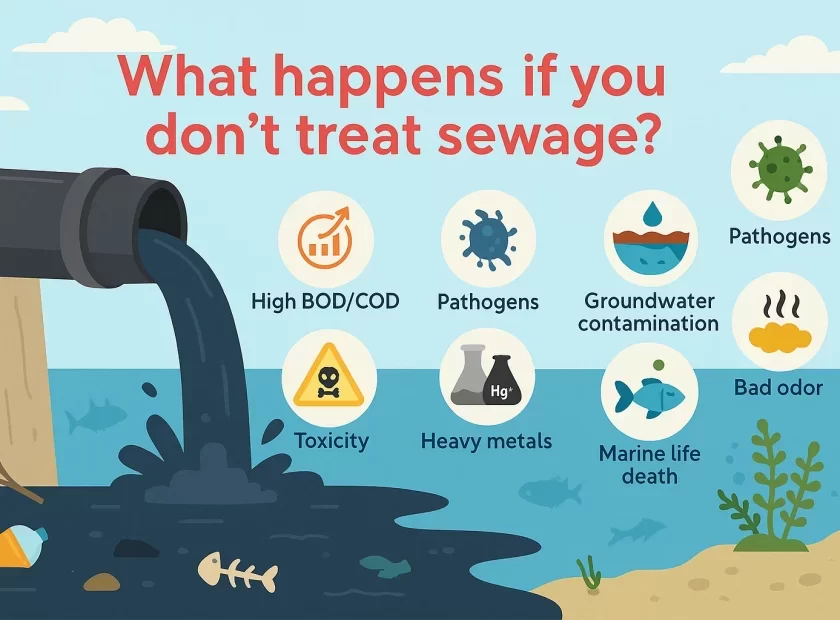
Water pollution remains a major environmental concern in India. Over the last decade, the growth of industrial clusters, untreated discharges, and stressed rivers like Ganga, Yamuna, and Godavari pushed regulators to make norms stricter.
Key reasons behind updated CPCB norms include:
- Increasing contamination of surface and groundwater
- The need for stricter BOD, COD, TSS, and nutrient control
- Global pressure to match international wastewater quality benchmarks
- Ensuring environmental sustainability with industrial growth
- Strengthening monitoring under NGT directions
These new standards mandate that industries improve the quality of their Effluent Treatment Plants (ETPs) and Common Effluent Treatment Plants (CETPs) to meet tighter limits.
Highlights of the New CPCB Effluent Standards (2024 Update)
While exact values vary by industry category, the updated norms focus on much tighter control of key pollutants:
- Stricter BOD Limits
- Old norms: 30 mg/L
- New norms: 10 mg/L for many sectors
This pushes industries toward advanced biological and tertiary treatment systems.
- Tighter COD Levels
- Reduced limits demand better organic removal and oxidation systems.
- Total Suspended Solids (TSS)
- Significantly stricter discharge requirements
- Mandatory multi-stage filtration in many sectors
- Nutrient Removal (Nitrogen & Phosphorus)
CPCB now requires many industries to adopt nutrient control through:
- Nitrification–denitrification
- Biological phosphorus removal
- Advanced tertiary polishing
- Heavy Metal & Toxin Control
Industries like electroplating, pharma, dyes, and chemicals must add:
- Chemical precipitation
- Activated carbon systems
- Ion exchange or membrane technologies
- Mandatory Flow Meters & Continuous Online Monitoring
Many industries must now install:
- OCEMS (Online Continuous Effluent Monitoring Systems)
- Real-time data transmission to SPCB/CPCB servers
- Zero Liquid Discharge (ZLD) for High-impact Sectors
Textiles, distilleries, pharma, tanneries, and chemical industries are being pushed toward:
- RO + Evaporator systems
- MEE (Multiple Effect Evaporator)
- Salt recovery setups
How These New Standards Impact Industries
1. Higher Costs for ETP Upgradation
Industries may need to upgrade to:
- MBR / MBBR biological systems
- Ultra-filtration (UF)
- RO, ZLD units
- Advanced oxidation processes
While this adds CAPEX initially, it ensures long-term compliance and fewer penalties.
2. Increased Operational Costs
More aeration, chemical usage, and manpower may be required. Technology selection becomes critical to keep OPEX under control.
3. Stricter Inspections & Compliance Audits
Industries must maintain:
- Digital logs
- Lab reports
- Online monitoring systems
- Preventive maintenance records
4. Higher Penalties for Non-Compliance
As per the NGT & CPCB guidelines:
- Units may face closure notices
- Heavy environmental compensation
- Suspension of CTO (Consent to Operate)
5. Opportunity for Better Resource Recovery
Industries adopting modern treatment systems can benefit from:
- Treated water reuse
- Recovery of chemicals, salts
- Reduction in freshwater dependency
6. Increased Need for Skilled Operators
Modern ETPs require:
- Trained staff
- Regular calibration
- Proper sludge handling
- Knowledge of biological health indicators
What Industries Should Do Now
To stay compliant, industries should take immediate action:
✔ Conduct an ETP Performance Audit
Check whether the existing plant can meet new parameters.
✔ Upgrade STP/ETP with Advanced Technologies
Depending on wastewater type:
- MBBR
- MBR
- SBR
- UF + RO
- ZLD units
✔ Install Online Monitoring (OCEMS)
Mandatory for several sectors.
✔ Improve Sludge Management
Mechanized dewatering and scientific disposal.
✔ Train Operators & Strengthen O&M
Daily data tracking is essential under new CPCB monitoring protocols.
How Venza Helps Industries Comply with New CPCB Standards
Venza provides end-to-end ETP/STP solutions designed to meet the new discharge norms effortlessly.
Our Expertise Includes:
- ETP upgrading & retrofitting
- Advanced MBBR/MBR systems
- Nutrient removal designs
- UF / RO / ZLD systems
- Automation & online monitoring integration
- Annual maintenance & operational support
We ensure your plant meets:
- CPCB guidelines
- State PCB norms
- NGT directives
All while keeping costs optimized and operations smooth.
Conclusion: Compliance Is No Longer Optional — It’s a Competitive Advantage
The new CPCB effluent standards mark a major shift toward cleaner, greener, and more responsible industrial operation in India. Industries that adapt early will enjoy smoother approvals, fewer risks, and stronger environmental credibility.
With the right engineering partner—like Venza—compliance becomes simple, sustainable, and cost-effective.
Get Expert Assistance for Your Water & Wastewater Treatment Needs
Do you need advice or assistance in selecting the best water or wastewater treatment system for your industry, building, or project? Whether it’s an STP, ETP, MBR, MBBR, RO, ZLD, or a custom-designed solution — Venza has the expertise to solve all your water challenges.
Just share your requirement or the issue you’re facing, and our technical team will make sure it’s resolved with the right engineering approach.
For any assistance or related queries:
📞 Call: +91-9999724878
📧 Email: enquiry@venzawater.com
Our experts are here to guide you toward a cleaner, compliant, and sustainable future.